
20 Unique Background Drawing Ideas That You Cannot Ignore!
Spice up your drawings with these unique background ideas that you’ll definitely want to explore! From landscapes to natural elements, discover 20 easy tips in this tutorial.
Awesome Background Drawing Ideas
Need a few background ideas? Check out the list below.
- Sunset Scenery
- Night sky background
- Sunrise scenes
- Nature backgrounds
- Forest scene
- Abstract backgrounds
- Basic shapes
- Seascapes
- Waterfront scenic view
- Landscape painting
- Bright colors
- Overhead view of land
- Cityscapes
- Parallel lines
- Human figures
- White lines
- Real life reference photos
- Negative space
- Brush strokes
- Patterned textures


Easy Ways to Find Backgrounds for Drawings
Want to stand out with your digital art? Stock photos on social media can help you create a unique backdrop for your artwork.
See my aesthetic drawing ideas below!
100 Best Nature Scene Drawing Ideas
Get inspired to practice and improve your drawing skills with these 100 best nature scenery drawing ideas.

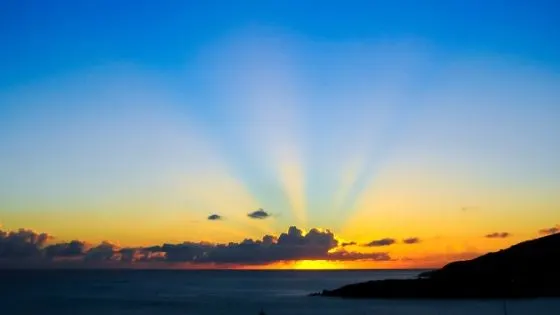
Sunrise Scenery has inspired artists for centuries. Maybe the start of a new day represents the unknown future and all it's possibilities to make a fresh work of art.

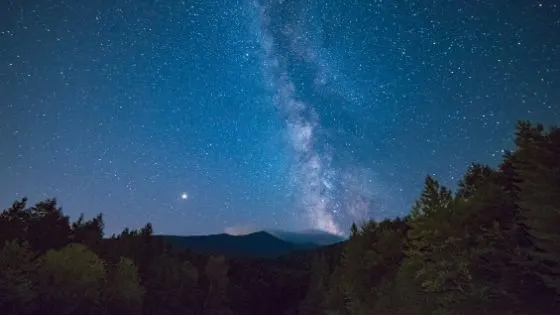
Night scenery has been the source of mystery and magic in many art forms. So it's no wonder that artists like to use it for fantasy-based art.


A lush green forest as far as the eye can see is a great place to start a peaceful and serene drawing. You can use a jungle to make a tropical forest setting or a deeply wooded area for a fairy tale setting.


From beautiful tropical island backgrounds to sub-Saharan savannas, you'll find plenty of eye-catching sunset landscape drawing ideas here. The strong firey, earthy colors are great for capturing emotion in a drawing.
Understand the Purpose Behind Backgrounds
Before you start creating background drawings, take a moment to contemplate the purpose of the background in your piece. Different backgrounds can set the mood and atmosphere of your artwork, so it’s important to understand why you need one in order to make sure it accomplishes its purpose.
A subdued or dark background could portray feelings such as sadness while a bright or lively background could connote energy and life. Additionally, consider how the backdrop will interact with the main elements in your art by complementing colors and guiding composition.
Research Popular Backgrounds and Trends in Digital Art
Researching what digital artwork is popular in the industry should inform your background drawing ideas. This could mean looking at popular images on art platforms, viewing the portfolios of established artists, or browsing digital illustration subreddits for inspiration.
Additionally, pay attention to colors and elements used in various digital artwork to determine how these could be combined and manipulated for your own pieces. Finally, it’s a good idea to brainstorm background possibilities as this research can help identify viable options and spark creative ideas.
Utilize Contrast to Craft Good Compositions
One way to leverage background drawing ideas for digital art is to use contrast, otherwise known as juxtaposition. Incorporating two opposite or contrasting elements in a piece of art can create dynamic visual interest and add depth or complexity to the overall piece.
This could mean using stark colors—such as black and white—or combining two textures that don’t traditionally go together, like fur with feathers. Experiment with placing conflicting elements side-by-side to craft intriguing compositions that captivate viewers and draw their gaze into the artwork.
Generate Pattern Ideas with Creative Drawing Exercises
If you’re hoping to come up with good background drawing ideas that involve patterns or textures, a creative exercise can be a great starting point. For example, try scribbling a rough sketch gently on thick pieces of paper or cardstock using different shades of drawing pencils and markers.
Keep the gesture drawing loose. Don’t go for fine details, this will take the focus away from the pattern you create in the background. The idea is to keep it simple so that the textures become secondary elements in the overall artwork instead of being the main subject.
Consider Appropriate Color Schemes for Your Subject Matter
Before you start your drawing, consider the kind of color scheme that would fit with the subject matter. If you’re working with a nature scene, choose softer blues and greens to reflect the outdoors. For urban settings or dark atmospheres, darker shades like black, light grey, and navy blue would work best.
When choosing a color palette for specific scenes or subjects, it’s also important to consider how different hues can influence a person’s emotions—warmer colors often evoke feelings of comfort and safety while cool colors may convey feelings of sadness or fear.
Use Textures To Create a Unique Look
Textures can be an amazing way to bring depth and richness to your drawing backgrounds. Adding a variety of textures creates a mix of light, shadows, and patterns that can take your artwork to the next level. To incorporate texture in your backgrounds, try building up different layers with color or using a range of shades for shading.
Nature is a great place to get ideas. You can add an interesting small object like a branch, seeds, stones, or pebbles which adds more dimension. With a few simple techniques and some creativity, you’ll have a stunning background simply ready for you to enjoy!
Go Abstract With Geometric Shapes
You don’t need to stick with traditional landscapes or natural elements for your backgrounds. Adding abstract shapes like simple geometrics can help you create stunning compositions in your drawings.
Think of a variety of circles, lines, and polygons that you can use to build unique patterns or a three-dimensional object. Be sure to experiment with different shapes, textures, and color combinations to bring out the most exciting results!
Incorporate Patterns and Repeating Forms
Patterns are a great way to add depth and texture to your background drawings. As you explore different geometrical shapes and designs, consider incorporating repeating forms and shapes for the illusion of depth.
A good option is to experiment with the same elements used multiple times in different shapes or sizes. You can also use lines of various thicknesses or shadows to create abstract patterns that can help bring emphasis to the foreground objects in your artwork.
Easy Drawing Ideas
Unleash your imagination and fill the background with doodles that have no particular meaning. These convey a sense of apathy, freedom, and spontaneity — perfect for setting an aesthetic atmosphere.
Include random shapes, symbols, lines, and text in your background, and let the viewers interpret the fragments to their liking. Make sure to use different colors for fun illustrations!
Utilize Color and High Contrast to Bring Interest to Your Drawings
Adding a diverse range of colors and contrasts to your artwork will create interesting visual tension and energy. Start with creating value scales by adding black gray and white hues for depth, pick complementary or analogous color schemes for variation, and integrate different textures as patterns or shapes. You can also add sudden stops and splashes of bright colors to attract more attention to a specific area in the artwork.
Want to save this for later? Pin it to your favorite DIY board on Pinterest!
Feel free to save this blog post to your drawing ideas board on Pinterest for later.
Conclusion
You no longer need to struggle to come up with background drawing ideas for digital art. I’ve covered a number of ways to create unique and eye-catching digital art by utilizing various backgrounds in this post.
Hopefully, you’ve found some creative options to help you get started on your next drawing
From landscapes and natural elements to abstract designs, there are lots of resources to help you find a unique background for your artwork.


Frequently Asked Questions
Q: What are some unique background drawing ideas?
A: There are plenty of unique background drawing ideas you can explore, such as abstract patterns, cityscapes, underwater scenes, celestial landscapes, and more. Check out our blog post for 20 inspiring ideas!
Q: How can I get started with background drawing?
A: To get started with background drawing, you’ll need some basic art supplies like paper, pencils, and colors. Start by practicing your drawing skills and studying various techniques. Our blog post can provide you with more tips and resources.
Q: Where can I find inspiration for background drawings?
A: You can find inspiration for background drawings from nature, architecture, books, and even other artists’ work. Our blog post includes 20 unique ideas to spark your creativity.
Q: Do I need to be a professional artist to create unique backgrounds?
A: No, you don’t need to be a professional artist to create unique background drawings. All it takes is practice, creativity, and a willingness to learn. Our blog post offers ideas suitable for artists of all levels.
