


Have you dreamed about participating in a craft fair? You know that you have the talent but you just need a little advice. You have so many questions, like, where can I sell, how do I find the right show, how much is a booth at a craft fair? Here are 21 tips to plan your first craft show.
I get commissions for purchases made through some of the links in this post. There is no extra cost to you. See my full disclosure here.
What is a craft show?
Craft fairs are usually open-air markets where artists and crafters display and sell their handmade wares.
Flea-markets and bazaars are also types of craft fairs.
Many shows center around a theme, like the Christmas holidays or certain brands and products.


Do I have to pay taxes on crafts I sell?
We have all heard that saying that there are only two things that are certain in life. I wish we could replace those two things with art and crafts, lol.
Taxes are just a normal part of selling. If you are thinking about selling your crafts at shows, then expect to pay taxes on the money that you earn.
You can find tips for legally selling goods at flea markets and craft shows from expert trusted sources like the Small Business Administration.



How successful are craft shows?
Before signing up to be a vendor at a show, you want to know how successful the show has been in previous years.
Do a little online research by searching for the name of the show plus the word “reviews”. Sort the results by date to see the most recent reviews at the top.
Visit the website to find out how much a booth or table will cost and whether or not you need a license to sell at the fair.


After you have chosen the craft fair that you want to be in, you’ll need to get organized.
Think about how many of your crafts you will take, what kind of display materials you will need, how you will transport everything and how you will take payments.
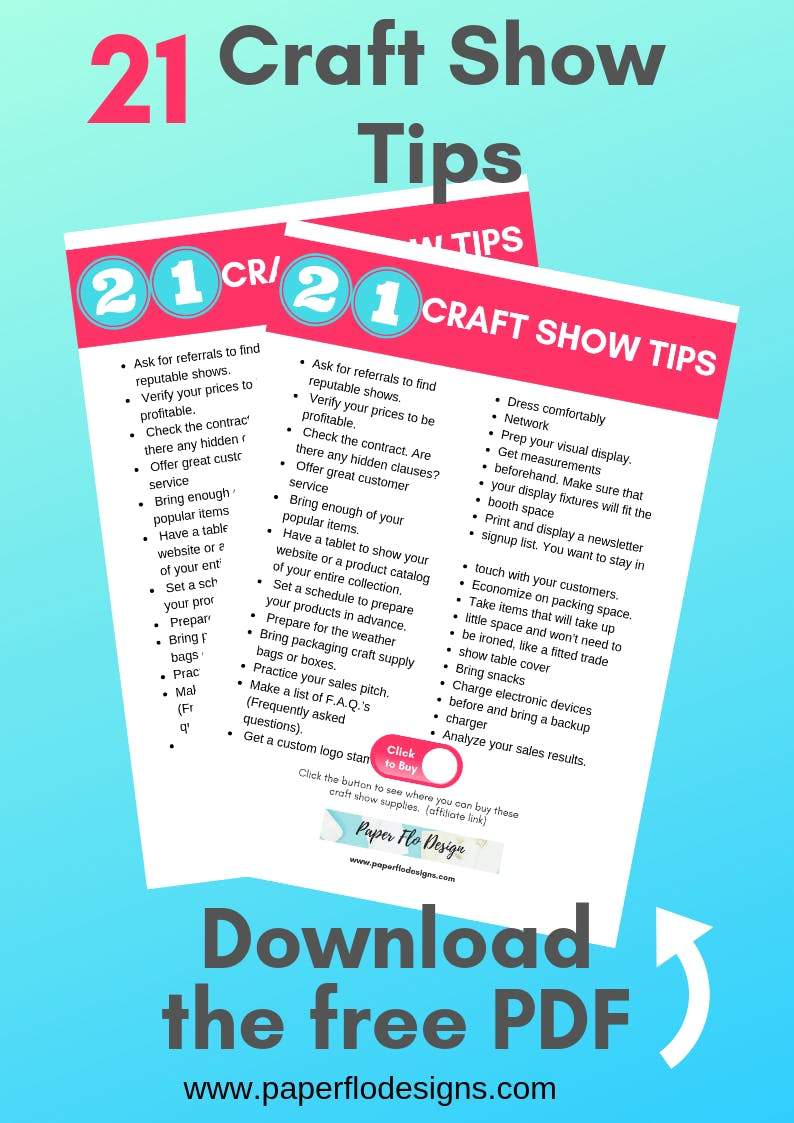
Lucky for you, I have a list of 21 tips to jumpstart your first craft show. If you don’t have time to read them all now, sign up to download the list and read it later.
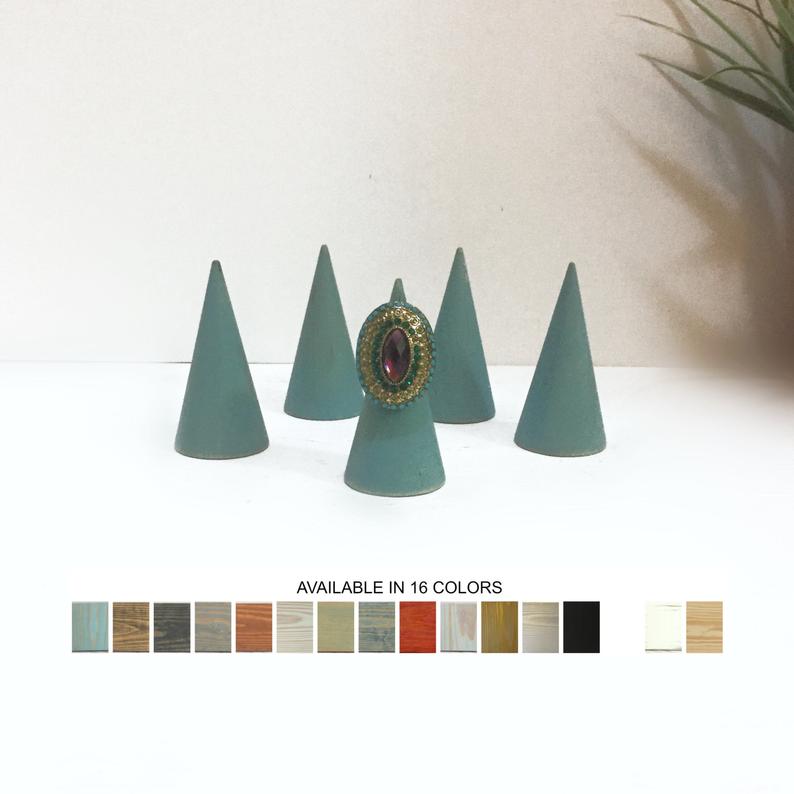
Source: Array and Display
- Ask for referrals to find reputable shows.
- Verify your prices so that you will be profitable.
- Check the contract. Are there any hidden clauses?
- Offer great customer service
- Bring enough of your popular craft items.
- Have a tablet to show your website or a product catalog of your entire collection so that customers can see all that you offer.
- Start early. Set a schedule to prepare your products in advance.
- Think about the weather. Will it be hot or cold? If it rains, can you cover your booth with a canopy?
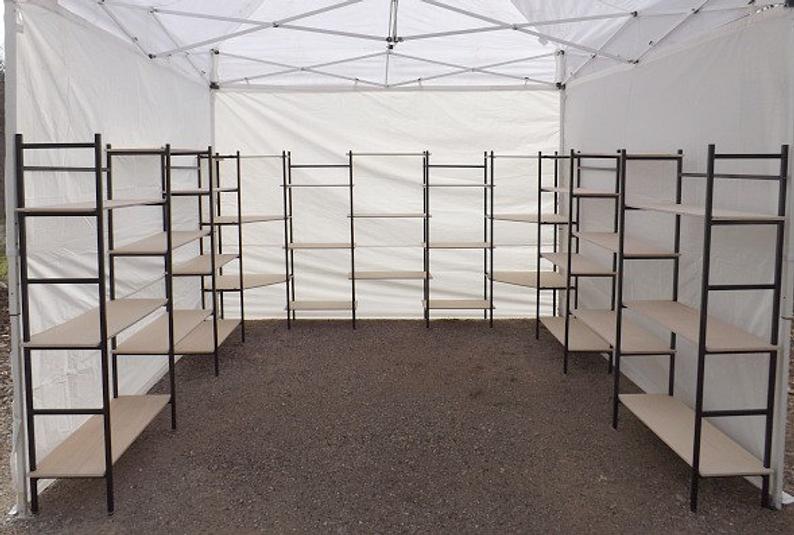
Source: Evanswoodworking
- Dress comfortably, you will be standing for long periods.
- Network. Don’t be afraid to reach out to other vendors before, during, and after the show. Look for Facebook groups.
- Prep your visual display. Set up your items on display at home to get an idea of what they will look like before you get to the show.
- Bring packaging craft supply bags or boxes. The customer will need something to carry your products in.
- Practice your sales pitch. If you’re not used to in-person selling, ask a friend to pretend to be a customer and just practice what you will say.
- Make a list of F.A.Q.’s (Frequently asked questions). Print them out to put on display at your booth. If you’re talking to a customer and another person has questions, they can check out the FAQ’s while they wait.
- Add a personal touch. Get a custom logo stamp that you can put on receipts or notecards.
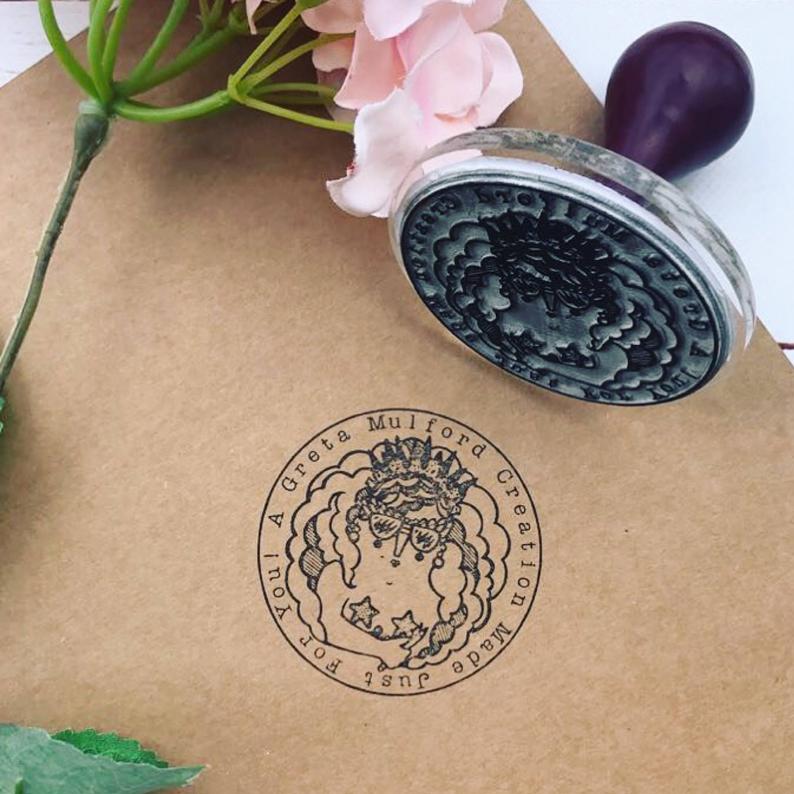
Source: Stampitstore
- Get measurements and dimensions beforehand. Make sure that your display fixtures will fit the booth space.
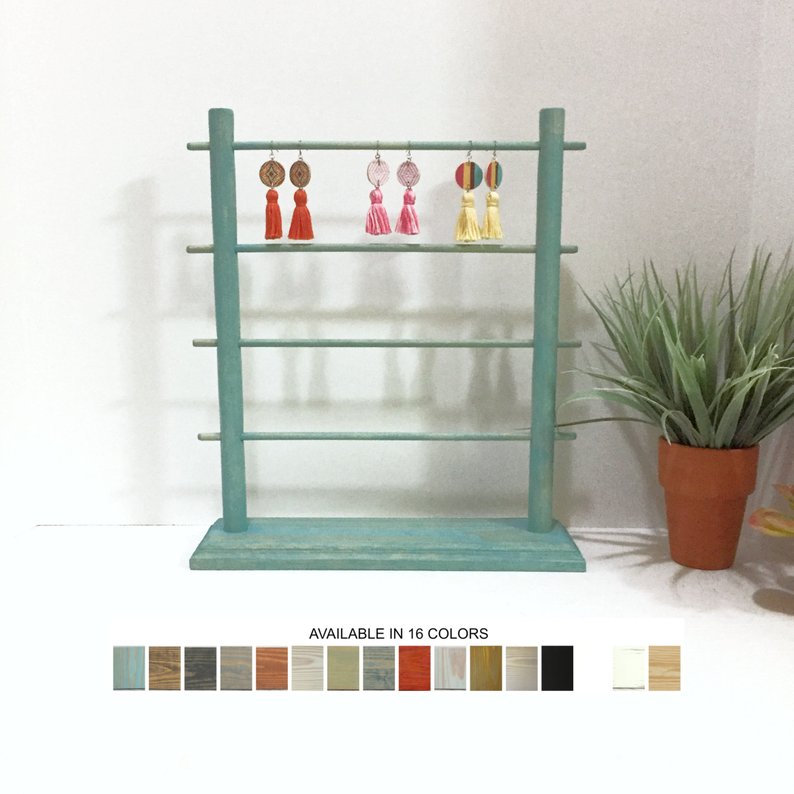
Source: Array and Display
- Print and display a newsletter signup list. You want to stay in touch with your customers.
- Economize on packing space. Take items that will take up little space and won’t need to be ironed, like a fitted trade show table cover. Speaking of wrinkles, here’s a tip to get wrinkles out of vinyl.
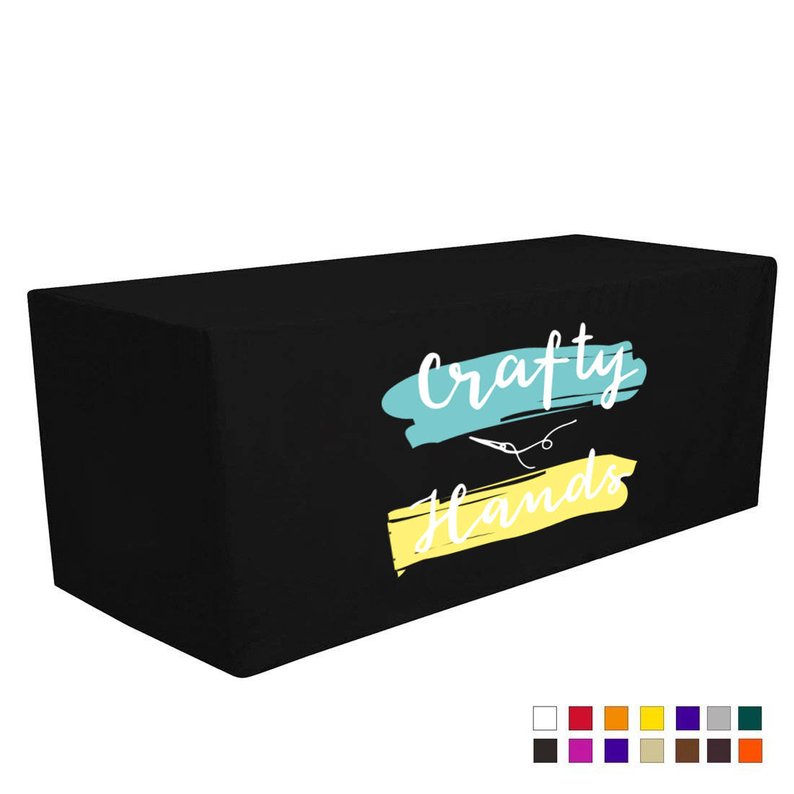
Source: Vibrant Print Shop
- Bring snacks
- Charge electronic devices before and bring a backup charger.
- Analyze your sales results. Write down what worked and what didn’t work. This way you’ll know if you want to participate next year.
That’s it. You’re all set for your first craft show.
Which of these tips is your favorite?


