
Navigating the decision between plasma cutting and laser cutting can feel overwhelming, especially when you’re trying to pick the best tool for your crafting projects.
As a mom and a crafter, I understand the importance of choosing the right tool that fits our needs. I’m talking about not wasting time, finding something that has good precision, and fits your budget.
In this article, we’ll delve into the specifics of both plasma and laser cutters, comparing their functionalities, ease of use, and how they fit into our often busy and budget-conscious crafting lives.

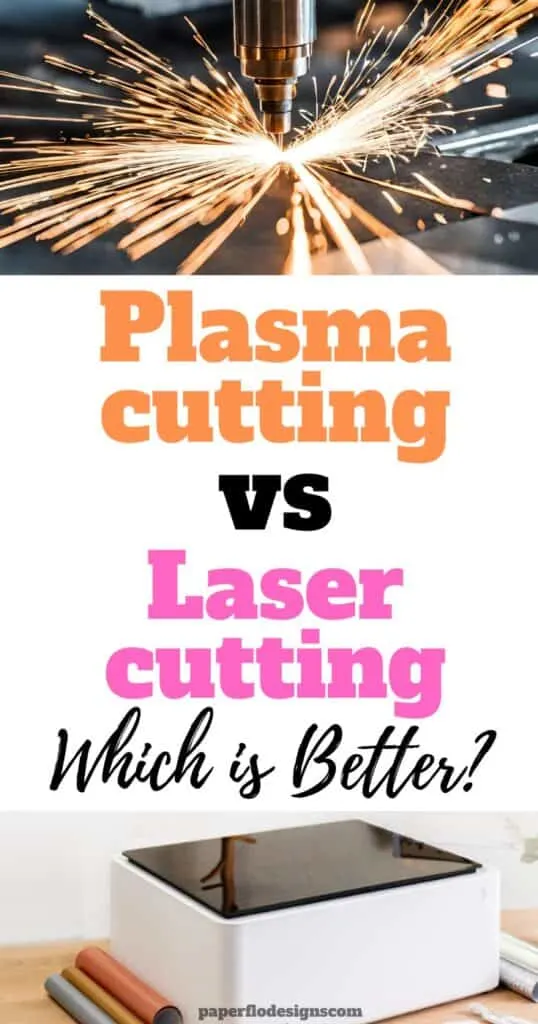
Plasma Cutting vs Laser Cutting: Choosing the Right Tool for Your Crafting Needs
So, let’s break down the differences and see which method could be the best solution for your specific needs.
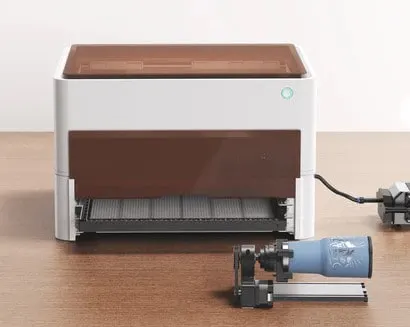
Laser Cutting: Precision and Finesse
Laser cutting uses a high-powered laser beam, directed by laser optics and a computer, to melt, burn, or vaporize the material.
Laser machines, particularly fiber lasers, are renowned for their high precision and ability to make extremely precise cuts, even in thin metals.
- Intricate Cuts and High Precision: For projects that require intricate cuts and high precision, a laser cutter is often the best solution. It can produce high-quality cuts with greater precision.
- Ideal for Thin Metals: Laser cutters excel in handling thin materials. Their focused beam of light can easily make clean, accurate cuts in materials like sheet metal or mild steel.
- Wide Material Range: Laser cutters aren’t limited to metal; they can work with a variety of non-metal materials, offering more flexibility for creative projects.

Plasma Cutting: Power and Versatility
Plasma cutting, on the other hand, involves an electric arc and compressed air to heat and melt the material.
Plasma torches are fantastic for high-speed cutting, especially when working with thicker materials like carbon steel or stainless steel.
The intense heat from the plasma arc melts the metal, and a jet of hot plasma ejects the molten metal, creating a clean cut.
- Best for Thick Materials: Plasma machines excel in cutting thicker metals. If you’re working with materials like thick steel plates, plasma might be your best option.
- High-Speed Cutting: Plasma cutters are known for their high speed, especially when cutting simple shapes in conductive metals.
- Versatility: Plasma cutting isn’t limited to metal fabrication; it can handle a wide range of materials, making it versatile for various projects.

Key Differences and Considerations
- Cutting Speed and Precision: When it comes to cutting speed, plasma cutting generally has the edge, especially for thicker materials. However, for precision and quality of cuts, laser cutters are superior.
- Material Thickness: Plasma cutters are more suitable for thicker metals, while laser cutters are ideal for thinner materials.
- Cost and Operational Expenses: The cost of laser cutting equipment is generally higher than plasma cutting systems. However, laser cutters can be more cost-effective in the long run, especially for detailed work and finished products that require high tolerance and minimal post-processing.
Final Thoughts: Making the Right Choice
Choosing between plasma cutting and laser cutting boils down to your specific application and needs. If you’re dealing with thicker materials and need high-speed cutting, plasma machines might be your go-to.
For intricate designs, precise cuts, and work on a variety of materials including non-metals, a laser machine would be the better choice.
Remember, each method has its own unique advantages.
Consider your project requirements, material preferences, and production rates before making a decision.
Whether it’s creating beautiful home decor or unique gifts, the right tool will elevate your crafting game to new heights, ensuring quality and efficiency in your creations.
As always, keep experimenting and don’t hesitate to reach out to fellow crafters for advice.
Next Step in Laser Cutting
If you’re feeling inspired to explore the world of laser cutting further, especially for projects involving materials like acrylic, I’ve got just the resource for you. Check out my detailed guide on laser cutting machines for acrylic.
It’s packed with insights and tips to help you choose the right machine for your creative endeavors. Trust me, pin this to Pinterest for later. You’ll have it when you’re ready to upgrade your crafting skills.
