
If you’re like me, a mom who loves whipping up custom t-shirts from home, you’ve probably asked yourself: ‘Which is better, HTV or DTF?’ It’s a common question among us crafters, especially when you’re eager to create the best products without breaking the bank or overcomplicating your already busy life.
By the end of this post you’ll know whether you should do Heat Transfer Vinyl (HTV) or Direct to Film (DTF) printing.
I’ll share insights from my own experiences, outlining the pros and cons of each method to help you, my friend, who’s just starting out, make the perfect choice for your crafting adventures.


I get commissions for purchases made through some of the links in this post. There is no extra cost to you. See my full disclosure here.
Understanding DTF Printing
Direct to Film (DTF) printing is an emerging technology that’s shaking up the custom printing industry. In simple terms, a DTF printer uses specialized ink to print your design onto a special transfer film.
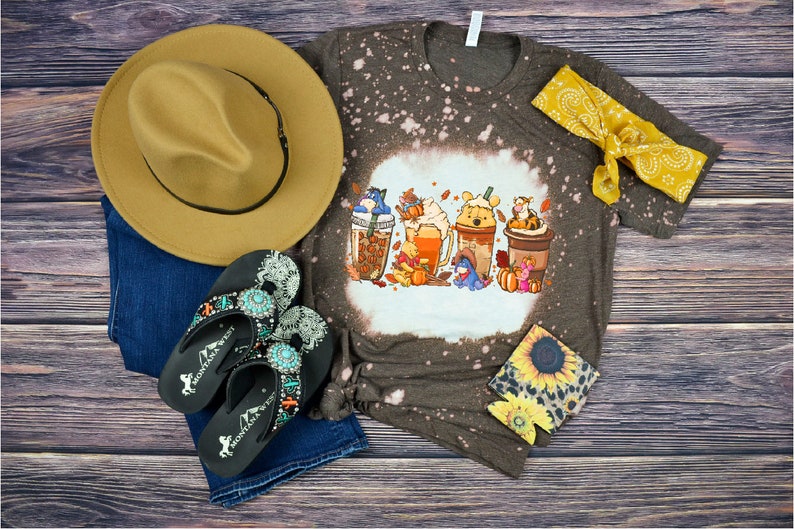
After printing, an adhesive powder (usually a hot melt powder) is applied, then melted onto the print using a heat press machine. The result? A vibrant, full-color print that’s ready to transfer onto your garment like the shirt below.
Exploring Heat Transfer Vinyl (HTV)
Heat Transfer Vinyl, on the other hand, is a more traditional method in the world of garment decoration. It involves using a vinyl cutter to cut out designs from colored vinyl sheets.
These designs are then transferred onto the fabric using a heat press. While the process seems straightforward, it often involves weeding – the tedious task of removing excess vinyl.
DTF vs. HTV – A Comparative Analysis
Now, let’s compare these two methods:
- Versatility and Quality: DTF excels in versatility. Unlike HTV, where the color of the vinyl limits your palette, DTF allows for printing in various colors, including white ink, making it a better option for intricate designs on dark garments.
- Ease of Use: DTF saves time as there’s no weeding involved. With HTV, especially for detailed designs, weeding can be time-consuming and increase production time.
- Durability and Feel: DTF prints offer a softer hand and greater durability. They blend into the fabric, allowing for more flexibility and comfort, which is essential for items like athletic uniforms or custom HTV printing on soft cotton garments.
What You Need to Start with DTF
To get started with DTF, you’ll need:
- A DTF printer.
- DTF inks and hot melt powder.
- Transfer film and a heat press.
- Protective paper/finishing sheet and the right software.


When to Opt for HTV
HTV might be your go-to option if:
- You’re working with a limited budget. Initial investment in a vinyl cutter is typically lower than a DTF printer.
- Your projects are less complex or do not require full-color prints.
- You’re also looking to create non-fabric items like vinyl lettering or decals, which DTF can’t handle.
The Business Perspective – Making the Right Choice
When it comes down to business, the right choice between HTV and DTF depends on your specific needs:
- Entry Costs and Materials: DTF requires a higher initial investment – think in the range of $6,000 to $30,000. HTV, however, can be started with as low as $500 for a basic vinyl cutter. Remember, the price of a single DTF ink bottle or specialized printer might be higher, but it offers a wider range of applications.
- Production Speed and User Interface: DTF speeds up the production process. Once you’ve printed and applied the adhesive powder, it’s just about heat pressing it onto the garment. With HTV, especially for intricate designs, the weeding process adds extra steps and time.
- Quality and Versatility: DTF stands out for its ability to print intricate designs and small details with high-quality results. It’s suitable for various materials, making it a versatile choice for different applications. HTV is more limited in this aspect.


Addressing Downsides and Challenges
Every technology has its downsides. DTF’s main challenge is the initial investment and learning curve. For HTV, the main challenge is the weeding process, which can be time-consuming, especially for detailed designs.
Final Verdict – Which One Should You Choose?
So, which is better, HTV or DTF? It boils down to your business needs, budget, and the types of projects you handle. If you’re starting out or on a tight budget, HTV might be the way to go. But if you’re looking to expand your range with high-quality, intricate designs on various items, DTF could be your best bet.
Frequently Asked Questions (FAQ)
Here, I’ll answer some common questions about HTV and DTF to help you further in making the right choice.
How long does DTF printing last?
- DTF printing, with its advanced printing technology, is known for its durability. The longevity of a printed DTF image largely depends on the quality of the inks used and the garment care. Generally, DTF prints can withstand numerous washes and maintain their vibrant colors for a long time, often outlasting traditional methods like vinyl heat transfer.
Is DTF more expensive than vinyl?
- When it comes to cost, DTF printing can be more expensive initially compared to vinyl printing, mainly due to the price of DTF printing technology, such as specialized DTF inks, PET film, and the DTF printer itself. However, the additional cost can be offset by the efficiency and quality of the prints, especially for intricate, multi-colored designs that are challenging to achieve with vinyl printing.
Do DTF transfers go bad?
- DTF transfers, when stored properly at room temperature and away from direct sunlight, can remain in good condition for a considerable period. The key to prolonging their shelf life lies in proper storage, avoiding high temperature and humidity. Unlike some traditional printing methods, DTF transfer printing uses high-quality adhesives and inks that are designed to be stable over time, ensuring that your custom designs are ready for use when needed.
Remember, whether you’re an experienced apparel decorator or just starting out in the printing business, understanding these key differences between DTF and vinyl printing can help you make the best choice for your projects.
Both methods have their unique benefits, and the right one for you depends on your specific needs and the type of fabric or products you’re working with.
Conclusion
Whether you choose HTV or DTF, remember that both have their unique benefits in the world of garment decoration. It’s about finding what works best for you, your business model, and the needs of your clients.
And if you’re getting ready to dive into making t-shirts, I’ve got just the resource for you. I’ve put together a list of must-have supplies for making t-shirts with Cricut that have been a game-changer for me in my t-shirt making journey.
Check out my essential tools and supplies that will make your crafting process smoother and more enjoyable.
