
8 Essential Sublimation Supplies to Use in Your Next Project for Guaranteed Success!
If you’re reading this, you’re probably as excited about sublimation crafts as I am. Whether you’re a seasoned pro or just starting out, this post is for you.


I get commissions for purchases made through some of the links in this post. There is no extra cost to you. See my full disclosure here.
| Sublimation Supplies | Why It’s Important |
| Sublimation Blanks | The foundation of your sublimation projects. |
| Sublimation Printing | Transfers your designs onto your blanks. |
| Sublimation Paper | Carries your design from the printer to your blank. |
| Heat Presses | Provides the necessary heat for transferring your design. |
| Heat-Resistant Tape | Keeps your design in place during the transfer process. |
| Butcher Paper | Protects your heat press and blanks from stray ink. |
| Convection Oven | Ensures even heat distribution for 3D blanks. |
| Design Software | Allows you to create your sublimation designs. |
1. Sublimation Blanks: Your Canvas Awaits

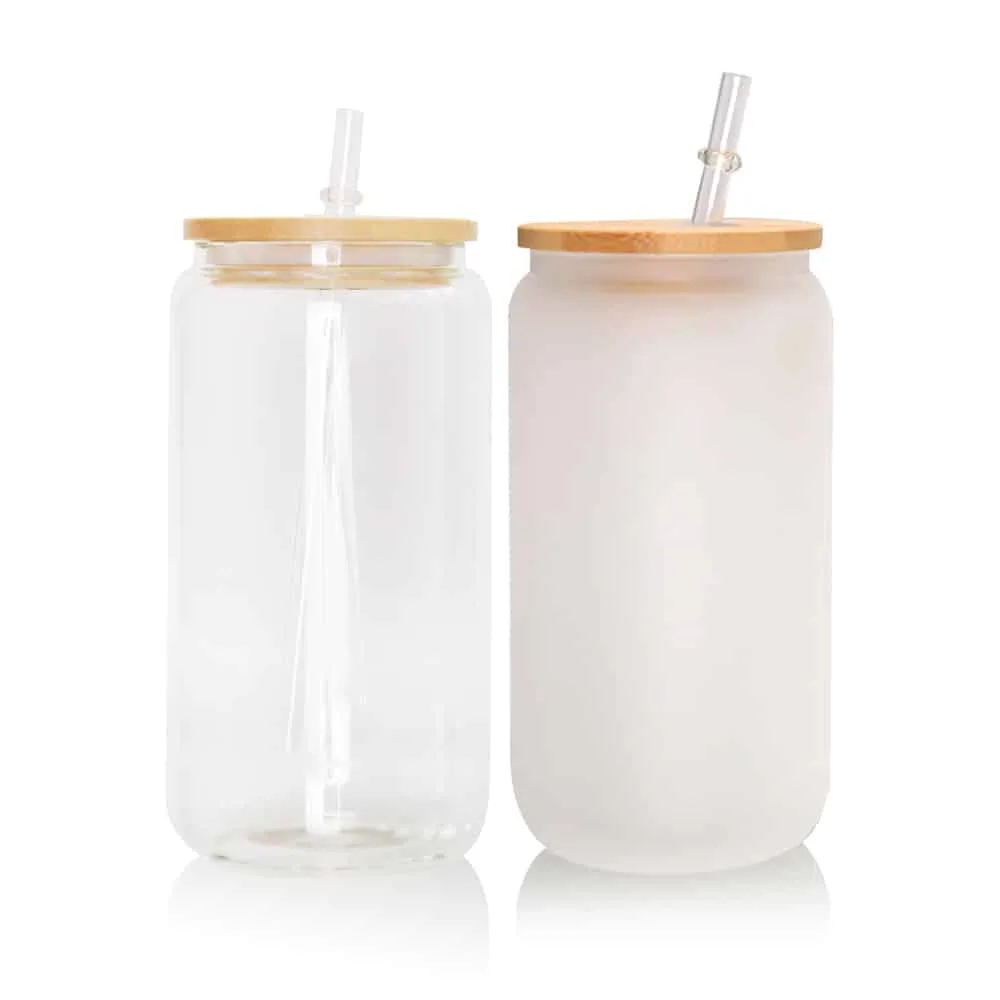
Sublimation blanks are the foundation of your sublimation projects. From blank t-shirts to glass cans, ceramic mugs and mobile phone cases, the possibilities are endless.
Remember, the best results are achieved with polyester fabrics for vibrant colors. Otherwise, you can use sublimation spray for cotton fabric.
2. Sublimation Printers: The Art of Transferring Designs

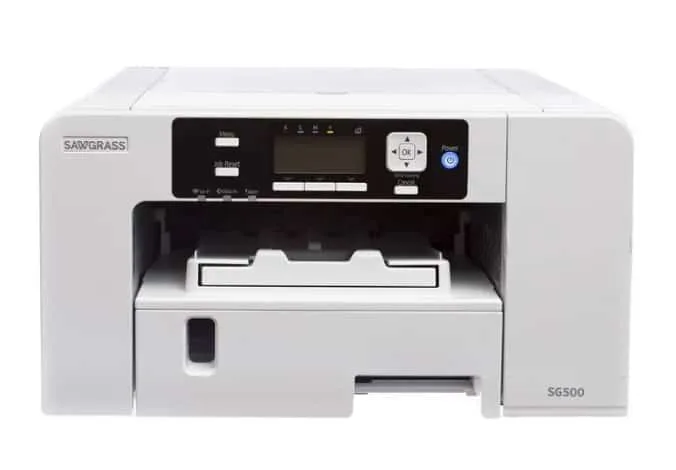
Sublimation printing is where the magic happens. With dye sublimation printers like the Epson printers or Sawgrass printers, you can transfer your sublimation designs onto your blanks.
Don’t forget to use special ink designed for sublimation printing for the best results.
3. Sublimation Paper: The Bridge Between Your Design and Blank


Sublimation paper is a crucial part of the process. It’s the medium that carries your design from the digital printer to your blank.
Remember, not just any paper will do.
You need sublimation paper specifically designed for this process.
4. Heat Presses: The Key to Perfect Transfers


Heat presses are essential for transferring your design onto your blank.
They provide the necessary heat source to transfer the design from your sublimation paper to your blank.
Whether you’re working with soft blanks or ceramic tiles, a good heat press is a must.
5. Heat-Resistant Tape: Keeping Things in Place
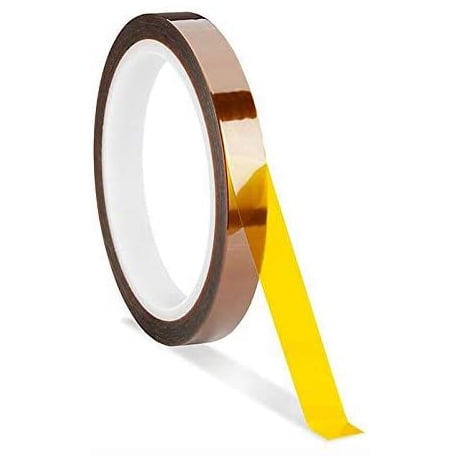
When transferring your design, you don’t want it to move around.
That’s where heat-resistant tape comes in handy. It keeps your design in place so that you get a clean, crisp transfer.
6. Butcher Paper: Your Line of Defense

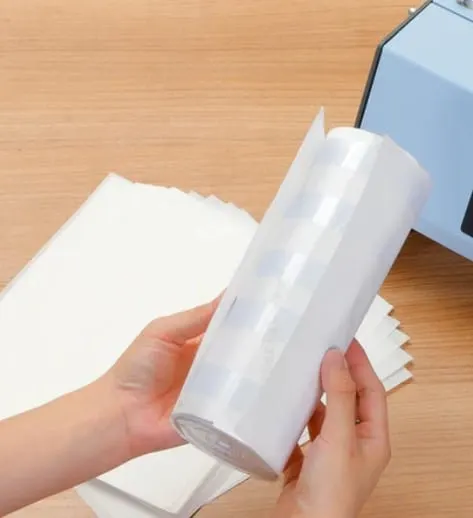
Butcher paper is another must-have in your sublimation supplies.
It protects your heat press and your blanks from any stray ink during the transfer process. Get pre-cut sheets like this one, so you don’t have to tear it off a big roll.
7. A Sublimation Oven: For All Your Cup and Tumbler Blanks


For setting the design onto blanks like sublimation tumblers and travel mugs, a sublimation oven is a must. A convection oven is ok for sublimation, but it’s best to have a separate oven for crafting. You don’t want those fumes to mix in with any food that you cook in the oven.
Plus the sublimation oven is a great way to get even heat distribution and a perfect transfer.
8. A Good Design Software: Apply Your Creativity


Last but not least, you’ll need a good design software to create your sublimation images. Whether you’re a pro at design or a beginner, there are plenty of options out there for you.
Conclusion
Sublimation crafting is fun and it’s easy to get started. With the right sublimation supplies, you can create stunning, personalized items for yourself, your loved ones, or even your small businesses.
FAQ
Q: Can I use an inkjet printer for sublimation printing?
A: Yes, inkjet printers can be used for sublimation printing. However, you’ll need to use special dye sublimation ink.
Q: Do I always need to use polyester fabrics for sublimation?
A: While polyester fabrics yield the best results, you can use other fabrics. However, they should be at least 50% polyester.
Q: Can I use regular tape instead of heat-resistant tape?
A: It’s best to use heat-resistant tape as regular tape can melt or leave residue due to the high heat used in sublimation.
Q: Can I use a regular oven for 3D blanks?
A: A convection oven is recommended as it provides even heat distribution, which is crucial for 3D blanks.
Q: Do I need professional design skills to create sublimation designs?
A: Not at all! There are plenty of design software options available that cater to all skill levels.
{
“@context”: “https://schema.org”,
“@type”: “FAQPage”,
“mainEntity”: [{
“@type”: “Question”,
“name”: “Can I use an inkjet printer for sublimation printing?”,
“acceptedAnswer”: {
“@type”: “Answer”,
“text”: “Yes, inkjet printers can be used for sublimation printing. However, you’ll need to use special dye sublimation ink.”
}
}, {
“@type”: “Question”,
“name”: “Do I always need to use polyester fabrics for sublimation?”,
“acceptedAnswer”: {
“@type”: “Answer”,
“text”: “While polyester fabrics yield the best results, you can use other fabrics. However, they should be at least 50% polyester.”
}
}, {
“@type”: “Question”,
“name”: “Can I use regular tape instead of heat-resistant tape?”,
“acceptedAnswer”: {
“@type”: “Answer”,
“text”: “It’s best to use heat-resistant tape as regular tape can melt or leave residue due to the high heat used in sublimation.”
}
}, {
“@type”: “Question”,
“name”: “Can I use a regular oven for 3D blanks?”,
“acceptedAnswer”: {
“@type”: “Answer”,
“text”: “A convection oven is recommended as it provides even heat distribution, which is crucial for 3D blanks.”
}
}, {
“@type”: “Question”,
“name”: “Do I need professional design skills to create sublimation designs?”,
“acceptedAnswer”: {
“@type”: “Answer”,
“text”: “Not at all! There are plenty of design software options available that cater to all skill levels.”
}
}]
}
