
Personalization of fabric is popular among designers, artists, and crafts projects. They create unique designs using art, images, patterns, and letters.
Two very popular methods of creating designs on a surface are sublimation and screen printing. Both methods of printing can help you make custom t-shirts that are a work of art that shows the artist’s extraordinary talent.
Designers use a printing process to transfer the content onto the fabric to make these custom-made fabric pieces.
One can use the screen printing method or dye sublimation. Both ways can produce excellent results but are pretty different.
Find out which is best for beginners.

I get commissions for purchases made through some of the links in this post. There is no extra cost to you. See my full disclosure here.
What is the difference between dye sublimation and screen printing?
Dye Sublimation Printing
Dye sublimation is a digital printing method where dye is transferred onto the fabric using heat. It is used in the textile industry for printing on garments and other items.
Besides fabric material, it works on paper, cards, and plastic. It mainly prints well on synthetic polyester. I also have a post that gives you a list of all the material acceptable for sublimation.
The most common method of dye sublimation is to use heat to transfer the image onto the fabric, which can be done with either a heat press or a sublimation printer. The dye in the fabric will then change color when heated and it will stay that color until it’s heated again.
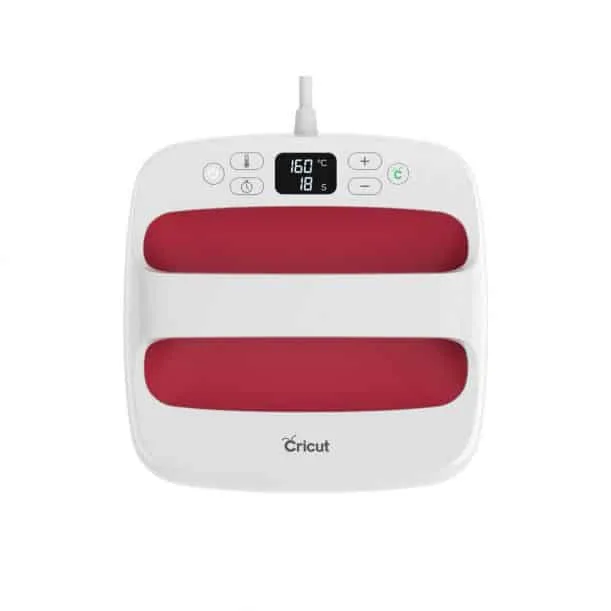
Cricut has an EasyPress machine that makes it easy to print and press sublimation projects from home.


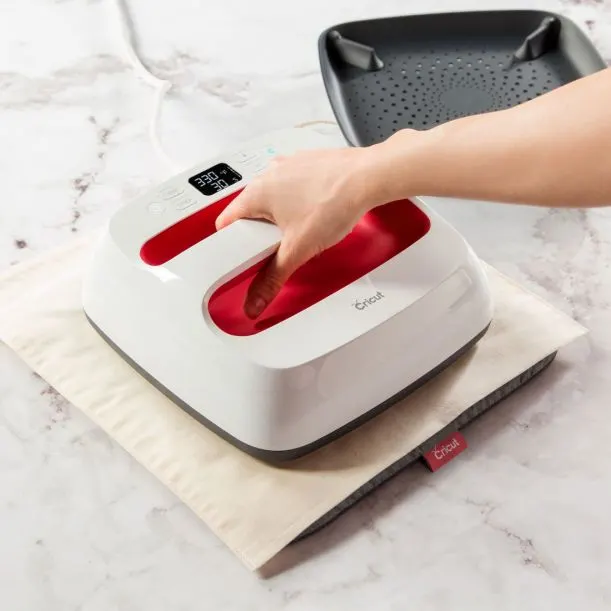
Even though it’s best done on material with a polymer coating, like the Infusible Ink line of craft blanks from Cricut, you can sublimate cotton t-shirts by using a special transfer paper like sublimation paper.
In the dye sublimation process, printers use dye as ink to transfer an image to the fabric through a heat press at around 400 degrees Fahrenheit.
This high temperature converts the dye into gas, seeping onto the fabric and becoming solid within the fibers. The image is permanent and hence washing the clothing will not remove it.
Screen Printing Technique
Screen printing works by using a mesh-like tool to transfer ink or dye onto the material.
A device is used to press the pigment through the mesh screen without touching the outer parts of the screen.
A backstroke sets the image. Natural fabrics like cotton are best for screen printing.
The screen printing process transfers one color at a time. Therefore, numerous screens create a design or pattern with many colors.
A screen printing machine or press performs the job faster as the fine mesh screen functions are automated.
Automation helps produce more accurate results. Different types of inks are used to screenprint, depending on the type of fabric.
In the case where a printing machine is used, the ink is pushed through an engraved plate to create an image, text, or design on paper or other surfaces. Screen printing can be used for both simple designs and complex designs.
Costs of Dye Sublimation Equipment and Materials
The cost of a dye sublimation machine can range from $2,000 to $10,000. The more expensive machines have more features and capabilities. For example, a high-end machine can print onto materials such as canvas tote bags, hats, denim, and polyester fabric.
Of course, there is also the cost of materials to consider. The setup for a screen printing business can cost anywhere from $5,000 to $20,000 depending on whether you’ll be producing small orders or large ones. This includes the cost of the machine and other necessary equipment such as tables and screens.
Advantages and disadvantages of dye sublimation
The Pros
- The art or images printed onto fabric are permanent. They will not come off with washing or peel off and fade with age.
- During printing, the dye can’t spread onto the fabric.
- Colors appear brighter when this method is used as the dye absorbs well into the delicate fibers of the synthetic fabrics.
Transferring photographs using dye sublimation produces better results as the printer prints from edge to edge uninterrupted.
The Cons
- It only works on polyester or other synthetic fabric made up mainly of polyester.
- Dye sublimation does not work on black or darkly colored fabric.
- It is expensive for bulk orders compared to screen printing.
Advantages and disadvantages of screen printing
The Pros
- It uses various types of inks and dyes. The final images can have different qualities depending on the viscosity of the ink.
- Cheaper to print on large quantities of fabric.
- It lasts long on fabric as the ink has different levels of thickness.
The Cons
- It is costly to print varying colors as different color screens are required.
- It is not efficient for printing a few orders.
How can the use of Dye Sublimation change the industry?
Many people are finding that this technology is no longer reserved for the big industry players. For example, lots of people are starting online businesses with this technology. You’re able to set up print shops on marketplaces like Etsy or your own social media account.
All you need is a special printer and a few other supplies to get started. It’s easy to make small runs of designs and then sell them to customers who want those products.
Which lasts longer, screen printing or sublimation?
Sublimation lasts longer as it does not wear out over time or chip off. Ink transferred onto cotton fabric will have a visible fade after every wash.
Is dye sublimation high quality?
Dye sublimation is of superior quality. It produces clear, deep-colored images of exceptional quality compared to screen printing.
Which is better, sublimation or screen printing?
If you are looking to save costs and have many prints, screen printing is the best option. However, using sublimation will give you better and long-lasting results.
Conclusion
Screen printing is a common printing technique that has been around for a long time. It is also a process that requires some level of skill and experience to perform. There are many different methods for screen printing and each one has its own advantages and disadvantages.
Dye-subs, for example, are more cost-effective than stencils but they require a more complicated process to produce the design on the shirt.
In conclusion, screen printing is an interesting technique that can be performed by anyone with the right equipment and experience, but it may take some time to master it before you can produce high quality prints.
To decide which method is best, look at your project size, budget, and your expectations of the appearance of the final product.
